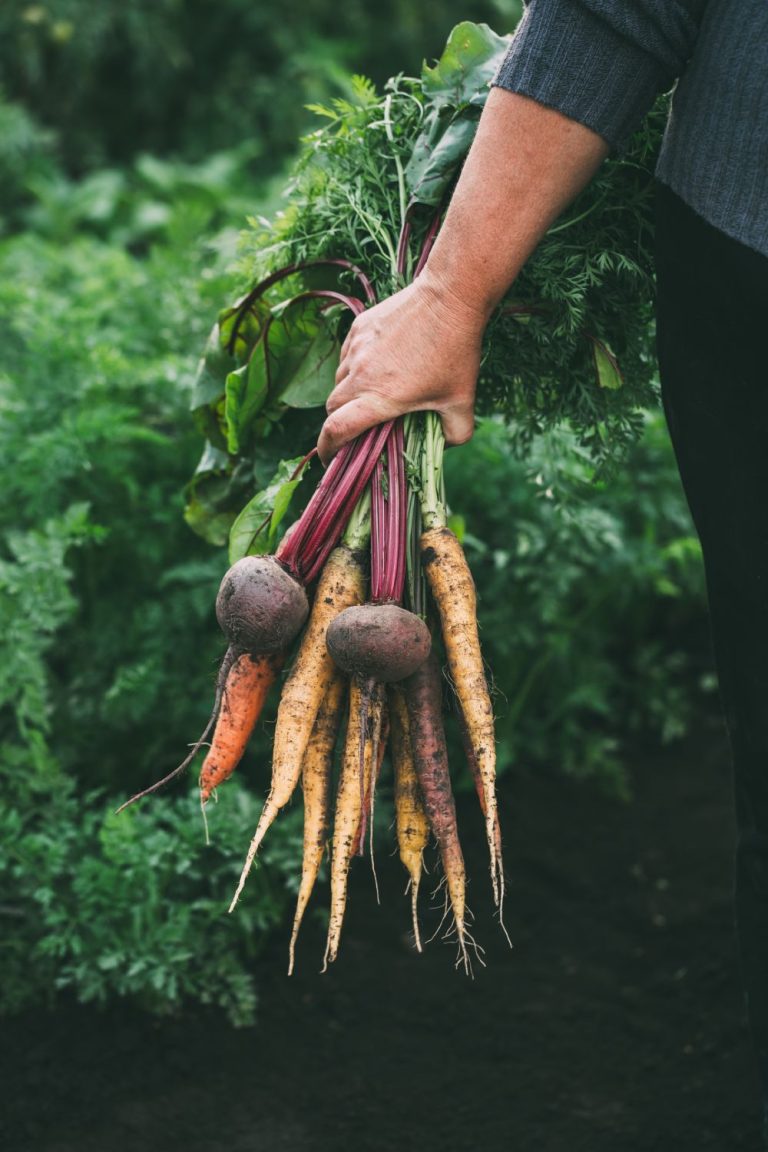
If you want to eat healthier but don’t know where to start, the first thing to consider is your intake of fresh produce. Many adults don’t consume the recommended daily serving amount of fruits and vegetables, two of the major food groups. Although they offer numerous health benefits and tasty flavors, it can be a struggle to enjoy and prepare produce in creative ways. Read on to learn some of the best ways to incorporate fresh produce into your diet.
Fruits and Vegetables Are a Part of a Balanced Diet

Fruits and vegetables provide essential nutrients, such as vitamins, minerals, and fiber, that your body needs to function properly. They enhance your immune system and add vibrant flavors to your meals, playing a crucial role in a balanced diet. However, some people have trouble incorporating fresh produce into their diets. This is often the result of not knowing where to start or feeling overwhelmed by the many available options. However, with a little planning and creativity, anyone can easily add more fruits and vegetables to their daily meals.
Look For Accessible Fresh Produce
Finding fresh produce can be easier than you think. Local farmers' markets are a great place to start. These markets offer a variety of fruits and vegetables that are often picked at the peak of ripeness. Look for items that are in season, as they are usually more accessible.
Looking for the freshest produce and local goods? The National Farmers Market Directory helps you find farmers markets near you, offering direct access to farm-fresh products. With over 10,000 markets nationwide, you can explore a wide variety of local fruits, vegetables, artisanal foods, and more. Discover the charm of your local farmers market and support your community's farmers. Start your search here.
Grow Your Own Produce
Additionally, consider growing an eco-friendly garden to enjoy homegrown fruits and vegetables. With a bit of effort and dedication, you can grow your own produce and have it readily available for all your meals.
Try New Fruits and Vegetables
If you’re someone who has written off fruit and vegetables entirely, there’s a good chance you haven’t tried a wide enough variety. New foods might seem intimidating at first, but they can be delicious additions to your meals with the right preparation.
Unique Produce Items to Explore
- Romanesco Broccoli: This stunning green vegetable looks like a cross between broccoli and cauliflower with a fractal pattern. It has a slightly nutty flavor and works well roasted or steamed.
- Dragon Fruit: With its vibrant pink skin and speckled flesh, dragon fruit offers a mild, sweet flavor similar to a kiwi or pear. Enjoy it raw or in smoothies.
- Kohlrabi: This bulbous vegetable, part of the cabbage family, has a crisp texture and a taste akin to a mild radish. Peel and slice it for salads or roast it.
- Oca: Also known as New Zealand yams, oca tubers are small, brightly colored, and have a tangy, slightly sweet flavor. They can be roasted, boiled, or eaten raw.
- Sunchokes (Jerusalem Artichokes): These knobby tubers have a nutty, sweet taste and a texture similar to water chestnuts. Roast them or use them in soups and stews.
- Purple Sweet Potatoes: Known for their vibrant color and sweet, rich flavor, they are perfect for baking, mashing, or adding to desserts.
- Chayote: A green, wrinkled fruit that tastes like a mild squash, it can be eaten raw in salads or cooked in stir-fries and stews.
- Finger Lime: Often referred to as “citrus caviar,” finger limes contain tiny, tangy pearls that burst with lemon-lime flavor. Use them as a garnish for seafood or cocktails.
- Buddha’s Hand: This citron variety has a fragrant aroma and a zest that's perfect for flavoring desserts, beverages, and savory dishes. Use the zest and pith in place of lemon peel.
- Pawpaw: Native to North America, pawpaw has a creamy texture and a flavor that blends banana and mango. Eat it fresh or use it in baked goods and ice creams.
- Ramps: Also known as wild leeks, ramps have a pungent flavor combining onions and garlic. Use them in pesto, sauté them, or add them to soups.
- Black Radish: With its black skin and white flesh, this radish has a spicy, peppery flavor. Grate it into salads or roast it for a milder taste.
Start by researching cuisines and dishes that step out of your comfort zone. For instance, you may find inspiration for what food to try next by trying my healthy fruit salad recipe.
Add Produce to Existing Recipes
Incorporating fresh produce into your diet doesn't mean you need to overhaul your entire meal plan. One of the simplest ways to start is by adding fruits and vegetables to your existing recipes. This approach allows you to enjoy the flavors you already love while boosting the nutritional value of your meals. Plus, they are ZERO POINT FOODS!
Here are some great recipes for vegetable-focused dishes
- Roasted Heirloom Tomato Soup with Grilled Cheese Croutons
- Best Minestrone Soup
- Ginger Carrot Soup
- Orange Pomegranate Salad with Citrus Champagne Vinaigrette
- Carrot Tarator Recipe (Turkish Carrot Dip)
- Low Fat Creamed Spinach with Caramelized Onions
- Easy Broccoli Stir Fry
- Loaded Cauliflower Casserole
- Guilt-Free Cauliflower Alfredo Sauce
- Roasted Cauliflower Mash with Crispy Brussels Sprouts
- Kale Chips
- 13+ Magnificent Zucchini Recipes You Need To Try
You can implement this strategy at breakfast, lunch, and dinner and replace your current snacks with raw fruits, such as apples, grapes, or bananas. You’ll feel full and refueled, rather than eating snacks with empty calories.
Incorporating fresh produce into your diet is a wonderful way to enhance your health and enjoy a variety of delicious flavors. Remember, the key to success is making small, manageable changes that fit into your lifestyle. For more personalized guidance and additional resources, explore our website and discover new ways to make your meals vibrant and nutritious.
What are the Best Tools to Conquer Emotional Eating?
Are you looking to Conquer Emotional Eating For Good? Start with my FREE printable workbook! With pages to help you learn your triggers and work through them, with tips and advice to move past emotional eating, the workbook is the perfect place to get started!