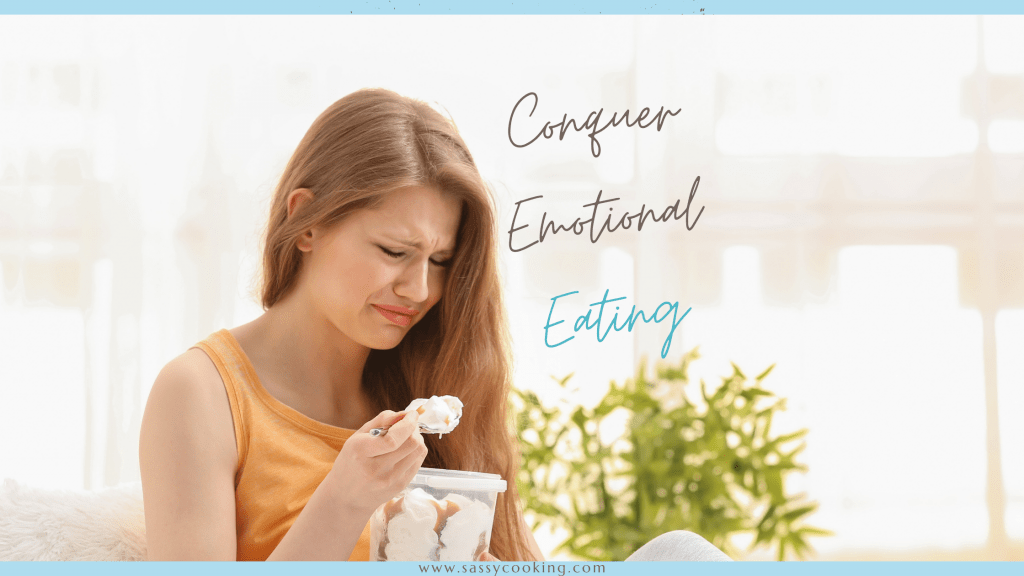
There are many ways to improve your relationship with food! The way we relate to food can significantly impact our overall health and well-being. A bad relationship with food can make us more likely to binge eat or restrict our food intake. The longer this unhealthy relationship goes on, the harder it may become to break detrimental eating habits. It's time to break up with toxic connections!
Repairing Your Relationship With Food

Constant emotional eating or restricting caloric intake can damage our relationship with food as we view it solely as a means for comfort or control. You may feel guilty or ashamed about your eating habits, leading to a negative cycle of emotional and unhealthy eating patterns.
Having a healthy relationship with food is crucial because it provides our bodies with nourishment and energy. Plus, many social events revolve around food, so your mental outlook will only benefit if you approach these events with a positive, healthy mindset. Explore four different ways to improve your relationship with food.
Plan Food-Centric Events
Planning a food-centric event may sound counterintuitive but can also be beneficial as you recalibrate your thought processes. This is because planning the event gives you control over the food served, whether it’s a picnic, dinner party, or potluck.
For instance, if you enjoy sweets, consider planning a chocolate-tasting partyso you can eat a treat in moderation while also bonding with loved ones. If the thought of having these foods triggers anxiety, remind yourself that this event is about spending time with loved ones.
Practice Intuitive Eating
During an episode of binge eating, it’s common to feel out of control and disconnected from your body’s signals. This can make it harder to recognize your body’s fullness signals, which often leads to feelings of guilt after overconsuming.
There are many benefits of intuitive eating, and this approach can help with recovery from binge eating and other forms of disordered eating. Intuitive eating encourages us to slow down when we eat and trust our body’s ability to tell us when we’re full. During each bite, allow your tastebuds to soak up each flavor.
Develop Coping Mechanisms
Another way to improve your relationship with food is to develop coping mechanisms that help you break away from old thought patterns. If you turn to food for emotional comfort, try finding alternative coping mechanisms. Healthier forms of coping can include journaling, spending time outside, or talking to a trusted friend.
Similarly, you may feel stressed in food-centric situations, especially if you don’t have control over the food served. Tactics such as deep breathing, positive self-talk, or distraction techniques (like counting to 10) can help you cope with these situations and prevent emotional eating.
Work With a Professional
Repairing your relationship with food is a personal journey, so the road to recovery looks different for everyone. A mental health professional or dietitian may help you understand the trigger points behind your unhealthy eating patterns and guide you toward building a healthier relationship with food.
What are the Best Tools to Conquer Emotional Eating?
Are you looking to Conquer Emotional Eating For Good? Start with my FREE printable workbook! With pages to help you learn your triggers and work through them, with tips and advice to move past emotional eating, the workbook is the perfect place to get started!